
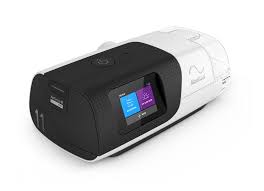
What Is a CPAP Machine and Why Is It Important for Sleep Apnea?
A CPAP machine delivers continuous pressurized air through a mask to keep your airway open during sleep, preventing the breathing interruptions characteristic of obstructive sleep apnea. This medical device serves as the gold standard treatment for OSA, a condition where throat muscles repeatedly relax and block the airway throughout the night.
The way CPAP Machines work is by creating a constant stream of air pressure that acts as a pneumatic splint. When you breathe in, this pressurized air prevents the soft tissues in your throat from collapsing. This steady airflow keeps the passage from your nose and mouth to your lungs open, eliminating the dangerous pauses in breathing that define sleep apnea.
CPAP therapy transforms sleep quality and overall health by addressing multiple complications:
- Restores normal breathing patterns throughout the night
- Eliminates loud snoring and gasping episodes
- Reduces daytime fatigue and improves alertness
- Lowers blood pressure and cardiovascular strain
- Decreases risk of heart attack, stroke, and diabetes complications
- Improves mood, memory, and cognitive function
Untreated obstructive sleep apnea forces your body into a cycle of oxygen deprivation and stress responses. Each breathing pause triggers your brain to wake you partially, fragmenting sleep architecture. CPAP machines break this harmful cycle by ensuring uninterrupted oxygen flow, allowing restorative sleep phases to occur naturally.
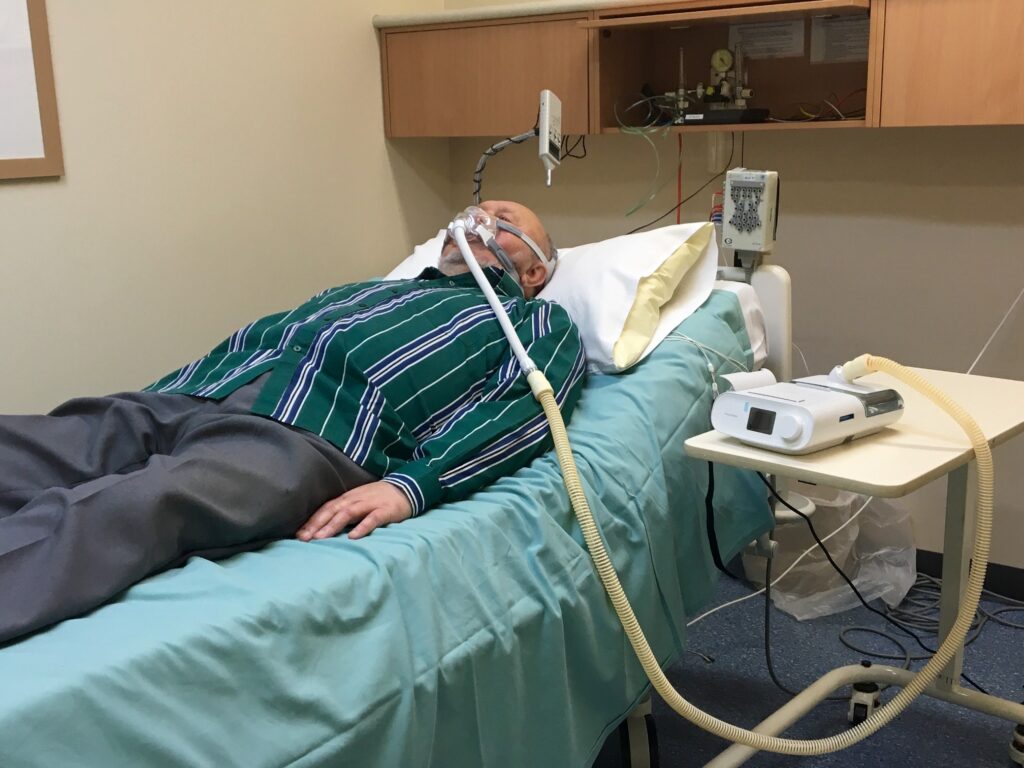
What Types of CPAP Machines Are Available Online for First-Time Users?
There are several types of CPAP machines available online for first-time users. Each type has its own features and benefits, catering to different sleep apnea needs. Here’s a breakdown of the various CPAP machines you can find:
1. Standard CPAP Machines
Standard CPAP machines deliver a continuous, fixed pressure throughout the night based on your prescribed settings. These devices maintain one consistent pressure level, making them straightforward for users with stable sleep apnea patterns. The simplicity of standard CPAP machines translates to lower costs and easier operation for beginners.
2. Auto-Adjusting CPAP (APAP)
Auto-Adjusting CPAP (APAP) devices automatically modify air pressure throughout the night in response to your breathing patterns. APAP machines detect changes in your airway resistance and adjust pressure levels accordingly, providing lower pressure when possible and higher pressure when needed. This adaptability makes APAP particularly beneficial for users whose pressure needs fluctuate during different sleep positions or stages.
3. Bi-level Positive Airway Pressure (BiPAP)
Bi-level Positive Airway Pressure (BiPAP) machines offer two distinct pressure settings: one for inhalation and a lower one for exhalation. BiPAP devices help users who struggle with breathing out against continuous pressure or those with more complex respiratory conditions. These machines prove especially useful for individuals with high-pressure requirements or coexisting lung conditions.
4. Adaptive Servo-Ventilation (ASV)
Adaptive Servo-Ventilation (ASV) represents the most advanced option, designed specifically for central sleep apnea and complex sleep apnea syndrome. ASV machines continuously monitor breathing patterns and adjust support based on detected irregularities. These devices require specialized prescription and are typically reserved for patients who haven’t responded to standard CPAP or BiPAP therapy.
How Do You Choose the Right CPAP Mask for Comfort and Effectiveness?
Selecting the right CPAP mask directly impacts therapy success and nightly comfort. Your choice depends on breathing patterns, sleeping position, and personal comfort preferences.
1. Nasal Pillows
Nasal pillows insert directly into the nostrils with soft silicone cushions, making them the most minimalist option among CPAP mask types. These work best for:
- Active sleepers who move frequently
- People who feel claustrophobic with larger masks
- Those who wear glasses or read before bed
The lightweight design creates minimal facial contact, though users who breathe through their mouth during sleep may experience air leaks.
2. Nasal Masks
Nasal masks cover the entire nose with a cushioned seal resting on the upper lip and bridge. This design suits:
- Side sleepers
- Individuals requiring higher pressure settings
The broader surface area distributes pressure more evenly. The moderate coverage balances stability with a less restrictive feel compared to full-face options.
3. Full-Face Masks
Full-face masks cover both nose and mouth, becoming necessary for:
- Chronic mouth breathers
- People with nasal congestion or blockages
- Users who cannot achieve proper seal with smaller masks
These prevent air leaks when the mouth opens during sleep, though the larger size requires adjustment for comfort.
4. Hybrid Masks
Hybrid masks combine nasal cushions with a mouth piece, offering coverage for mouth breathers without the bulk of traditional full-face designs. This innovative style provides freedom around the eyes and forehead while maintaining effective air delivery.
What Are the Essential Steps to Set Up a CPAP Machine After Purchase?
Setting up your CPAP machine correctly ensures optimal therapy from the first night. The process involves connecting components, configuring settings, and preparing features that enhance comfort during sleep.
Assembling Your CPAP Machine
Start by unpacking all components and identifying the main unit, tubing, mask, and headgear. Connect the flexible hose to the air outlet on the machine, ensuring a secure fit without gaps. Attach the other end of the tubing to your chosen mask interface. Position the device on a stable surface at the same height as your bed, ideally on a nightstand within arm’s reach.
Preparing the Humidifier
If your machine includes a heated humidifier chamber, remove it from the unit and fill it with distilled water up to the maximum fill line. Distilled water prevents mineral buildup that can damage the chamber and reduce performance. Reinsert the chamber securely into the machine before powering on.
Adjusting Pressure Settings
Your healthcare provider’s prescription specifies your required pressure level, measured in centimeters of water pressure (cmH2O). Enter this prescribed setting into your machine’s menu system following the manufacturer’s instructions. Never adjust pressure settings without medical guidance.
Activating the Ramp Function
The ramp function starts therapy at a lower pressure and gradually increases to your prescribed level over 5-45 minutes. This feature helps you fall asleep comfortably before reaching full therapeutic pressure. Enable this setting through your machine’s control panel and select your preferred ramp duration.
How Can First-Time Users Adapt to Using a CPAP Machine Smoothly?
Adapting to CPAP therapy requires patience and strategic adjustments during the first few weeks. Most users experience initial discomfort with mask fit or airflow sensation, but these challenges typically resolve with consistent practice and minor modifications.
Building Comfort Before Sleep
Practice wearing your mask during relaxed activities while awake—watching television or reading for 15-30 minutes helps your body acclimate to the sensation without sleep pressure. This technique reduces anxiety when you actually need to fall asleep with the device.
Maintaining Consistent Use Patterns
Consistent use accelerates adaptation more than any other factor. Wear your CPAP machine during all sleep periods, including afternoon naps, to establish routine and allow your body to normalize the therapy experience. Users who skip nights often restart the adjustment process repeatedly.
Addressing Specific Discomforts
If your current mask causes pressure points or leaks, request different styles from your supplier—many online retailers offer exchange programs for first-time users. Mask comfort tips include:
- Adjusting strap tension to prevent over-tightening
- Using mask liners to reduce skin irritation
- Applying nasal saline spray before bed for dryness
Activate your machine’s humidifier feature to combat dry mouth and nasal passages. Start with medium humidity settings and adjust based on your comfort level throughout the night.
How Should Users Maintain and Clean Their CPAP Equipment Regularly?
Daily wiping of masks prevents oil and bacteria buildup that can cause skin irritation and reduce therapy effectiveness. Use unscented soap and warm water to clean the mask cushion each morning, allowing it to air dry completely before the next use.
Weekly washing protocols extend to tubing, filters, and humidifiers to maintain optimal performance. Soak tubing and water chambers in warm soapy water for 30 minutes, rinse thoroughly, and hang to dry. Disposable filters require monthly replacement, while reusable filters need weekly rinsing.
Regular cleaning CPAP machines maintenance routine prevent bacteria buildup that can lead to respiratory infections and equipment malfunction. Neglecting this schedule shortens device lifespan and compromises air quality. Mark cleaning days on your calendar to establish a consistent maintenance routine that protects both your health and investment.
What Should Users Know About Traveling with Their CPAP Machines?
Traveling with CPAP machine portable devices requires minimal planning when you know what to pack. Manufacturers offer travel-specific CPAP models that weigh less than two pounds and fit easily into carry-on luggage, making them ideal for frequent travelers who need consistent therapy away from home.
Essential travel accessories include:
- Padded travel bags designed specifically for CPAP equipment protection
- Universal power adapters compatible with international voltage standards
- Battery packs for camping trips or locations without reliable electricity
- Extra filters and tubing in case replacements become necessary during extended trips
Always ensure your equipment is completely dry before packing—moisture trapped inside tubing or humidifier chambers can promote mold growth during travel. Most airlines classify CPAP machines as medical devices, meaning they don’t count toward carry-on limits and can remain with you throughout your flight.
What Are Common Side Effects from Using a CPAP Machine and How Can They Be Managed?
CPAP side effects typically include dry mouth, nasal dryness, and skin irritation from prolonged mask contact. These issues affect most new users but resolve with proper adjustments.
Managing Dry Mouth and Nasal Congestion
Dry mouth occurs when breathing through an open mouth during sleep. Switching to a full-face mask or adding a heated humidifier reduces this discomfort significantly. Nasal congestion develops from pressurized air irritating nasal passages—using saline sprays before bed or adjusting humidifier settings provides relief.
Preventing Skin Irritation and Breathing Difficulties
Skin irritation from masks or straps appears as red marks or pressure sores. Loosening straps slightly, using mask liners, or trying different mask sizes prevents this problem. Some users experience difficulty breathing out against incoming air pressure; enabling the machine’s expiratory pressure relief (EPR) feature makes exhalation more comfortable.
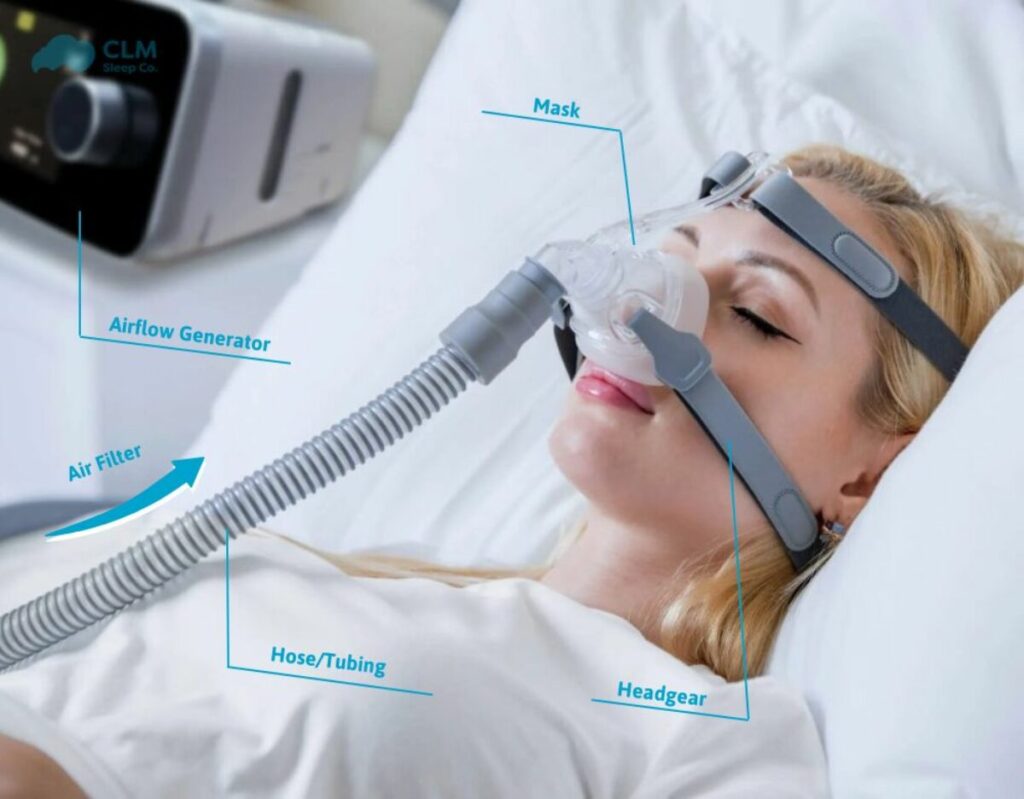
When to Seek Help
Persistent side effects require consultation with healthcare providers who can adjust pressure settings, recommend alternative masks, or prescribe nasal medications. Documenting specific symptoms helps providers identify the most effective solutions for individual cases.
What Should First-Time Buyers Consider Before Purchasing a CPAP Machine Online?
Buying CPAP online requires a valid prescription from your healthcare provider—reputable sellers won’t process orders without one. This prescription ensures you receive the correct pressure settings and machine type for your specific sleep apnea diagnosis.
Product specifications deserve careful examination before checkout. Verify the machine’s pressure range matches your prescription, check noise levels (typically 25-30 decibels for modern units), and confirm included accessories like masks, tubing, and humidifiers.
Warranty policies protect your investment and typically cover 2-3 years for the main device. Read the fine print to understand what components are covered, whether shipping costs apply for repairs, and if the warranty becomes void with unauthorized modifications.
Return policies vary significantly between online retailers. Look for sellers offering at least a 30-day trial period, which allows time to test the machine and mask compatibility. Some retailers charge restocking fees, while others provide free returns on unopened items.
Customer support availability makes troubleshooting easier during setup and daily use. Prioritize vendors offering phone support, live chat, or detailed video tutorials for first-time users navigating their new equipment.
How Does Insurance Coverage Affect Buying a CPAP Machine Online?
Insurance coverage for CPAP varies significantly based on your provider and specific plan terms. Most insurance plans require prior authorization and a documented sleep study before approving coverage, which typically includes 80% of equipment costs after deductibles.
Many online retailers accept insurance, though the reimbursement process differs from in-network providers. You’ll often pay upfront and submit claims yourself, which can delay reimbursement by several weeks.
Purchasing without insurance offers immediate access without approval delays or compliance monitoring requirements. Out-of-pocket costs range from $500 to $3,000 depending on machine type and features.
Financial assistance programs exist for eligible individuals through:
- Manufacturer rebate programs offering discounts on specific models
- Non-profit organizations providing subsidized equipment for low-income patients
- Payment plans through online retailers spreading costs over 6-12 months
- HSA/FSA accounts covering CPAP machines as qualified medical expenses
Medicare Part B covers CPAP equipment at 80% after deductible, requiring a three-month trial period with documented compliance data.
Conclusion
Successful CPAP therapy begins with selecting equipment that matches your specific sleep apnea needs and breathing patterns. Proper setup, combined with consistent daily cleaning and maintenance routines, ensures your device functions optimally for years.
The adjustment period requires patience—most users need several weeks to feel completely comfortable with their machines. Experiment with different masks, pressure settings, and accessories until you find what works best.
Patient education and ongoing support from healthcare professionals remain essential throughout your CPAP journey. Regular follow-ups help address side effects, optimize settings, and keep you motivated. When you buy CPAP machines online, remember that successful treatment depends not just on the device itself, but on your commitment to using it every night and maintaining open communication with your medical team.
To learn more click here: How to Buy a CPAP Machine Online Safely: What to Check Before You Order